Portugal
 Antigua & Barbuda
 St Lucia
 Grenada
 St Kitts
 Dominica
 Hungary
 Malta
 Greece
 Italy
 Latvia
 Turkey
 Vanuatu
 Canada
 USA
 Nauru
 New Zealand
 Panama
 Cyprus
 Sao Tome
 UAE

Portugal
From €500,000 + costs
Private Equity Investment
European Residency
EU Schengen Zone Travel
Apply Citizenship 7-10 years
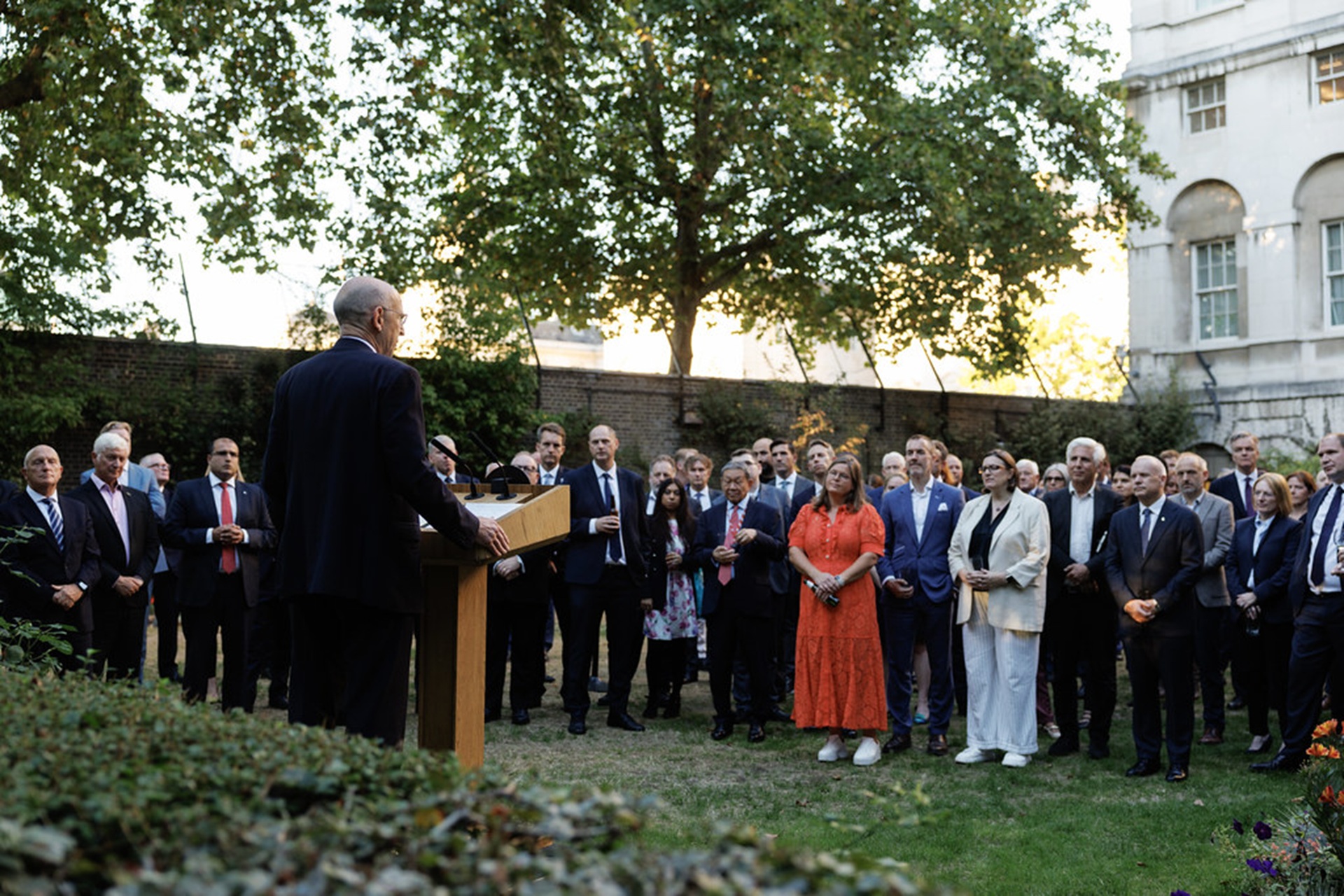
La Vida CEO Paul Williams recently spoke to Spear’s about the upcoming Budget and how wealthy Brits are preparing.
27 October 2026
82.6% of the UK millionaires and ultra-millionaires in our latest survey named taxation as their top concern, our Founder and Chief Executive Paul Williams told Spear’s ahead of Chancellor John Healey’s first Budget on 28 October.
Spear’s, the UK wealth management magazine, spoke to Paul for its pre-Budget analysis of what high-net-worth families should expect. Its coverage came as wealthy families face one of the least predictable Budgets in years, with fewer press briefings than usual and an earlier-than-usual date.
It’s a conversation we’re having with UK clients every week. More of them want to understand their options before the Budget lands, rather than after.
Paul told Spear’s that the average wealth of our survey respondents is “more than 20 times the national average”. That makes each departure “a significant tax loss for HMRC”, he said.
This matters because the Treasury’s revenue from wealthy taxpayers is concentrated in a relatively small number of people. When one of them relocates, the loss to HMRC is far larger than a single average taxpayer leaving.
Labour’s manifesto rules out increases to the main rates of income tax, employee National Insurance and VAT. That has moved attention onto capital, property and savings, which is exactly where our clients hold most of their wealth.
Our UK Investment Migration survey asked respondents which tax changes would make them consider leaving the UK. A wealth tax came first at 26%, even though the UK doesn’t currently have one.
Increases to income tax followed at 22%, ahead of inheritance tax at 20%. Rises in capital gains tax and property tax were each named by 15% of respondents.
The spread of answers shows that no single measure drives the decision. Our clients tend to look at the cumulative effect of several changes on their family’s wealth over the long term.
Wealthy families are still adjusting to a series of recent reforms. Non-dom status was abolished from April 2025, and new limits on agricultural and business property relief took effect in April 2026.
Unused pension funds are due to fall into the inheritance tax net from April 2027. A high-value council tax surcharge of £2,500 to £7,500 a year on homes in England worth more than £2 million follows from April 2028.
For many of our UK clients, the Budget is less about one announcement and more about where the overall direction of travel is heading. That’s why so many of them are building a second residency into their long-term planning now.
Taxation has been the leading concern in our research for some time. Our 2025 survey found 88.9% of respondents named taxation as a main concern, ahead of political concerns at 72.8% and crime and security at 59.3%.
Respondents in that survey held an average net wealth of £12.3 million, and 91.4% were worth more than £1 million. Portugal was the most popular destination, chosen by 50.6% of respondents.
The latest results confirm the same pattern. Wealthy Britons see residency and citizenship by investment as a way to give their families more choice over where they live, invest and pay tax.
Global search demand for golden visas and citizenship by investment has grown more than sevenfold in ten years, according to La Vida’s Golden Visa Index. The index gives 2016 a baseline value of 100, and by 2025 the same measure stood at 728.5.
Paul spoke to Spear’s about those findings in September. UK investors are a significant part of that demand, alongside record enquiries from the US.
Portugal remains the first choice for UK investors, and Greece has become another popular destination for wealthy families this year.
The Portugal Golden Visa offers:
The Greek Golden Visa starts at €250,000 for qualifying commercial-to-residential conversions and restoration projects. The threshold rises to €400,000 in most regions and €800,000 in Athens, Thessaloniki and the larger islands.
Investors who want a second citizenship often look to the Caribbean programs in Grenada, Antigua, St Lucia, St Kitts and Dominica. Malta, the UAE and Panama are also popular with clients building an international base.
Whatever the Chancellor announces on 28 October, tax is only one part of the picture. Most of our clients come to us for security, flexibility and a better future for their families, and a second residency or citizenship delivers that whatever happens in Westminster.
Our survey shows wealthy Britons are thinking carefully about their options ahead of Budget 2026, and demand for golden visas has grown sevenfold in a decade.
Whether you’re looking at EU residency through Portugal, Greece or Malta, a Caribbean citizenship through Grenada, Antigua, St Lucia, St Kitts or Dominica, or a base in the UAE or Panama, our expert advisers can compare the programs that suit your circumstances. Get in touch with La Vida today.
Discover some of your options below:
Spears Interview | Brits Consider Plan B Options As Budget Looms
82.6% of the UK millionaires and ultra-millionaires in our latest survey named taxation as their top concern, our Founder and Chief Executive Paul Williams told Spear’s ahead of Chancellor John Healey’s first Budget on 28 October.

Panama Golden Visa Demand Up 39%: Official 2026 Data
Panama issued 268 Qualified Investor certificates between July 2025 and June 2026, up 39% on the 193 issued a year earlier, according to the Ministry of Commerce and Industries (MICI).

Golden Visas Give Latin Americans a European Base
Latin American families are securing European residency through Golden Visas, with Brazilians able to apply for Portuguese citizenship after seven years.

Healthcare Is Pushing Wealthy Americans Abroad
Healthcare concerns are driving almost half of wealthy Americans considering a second residency, according to La Vida’s 2026 US investor survey.